【亚洲•中国】太极拳Taijiquan(2020年)
2017-03-21 16:05
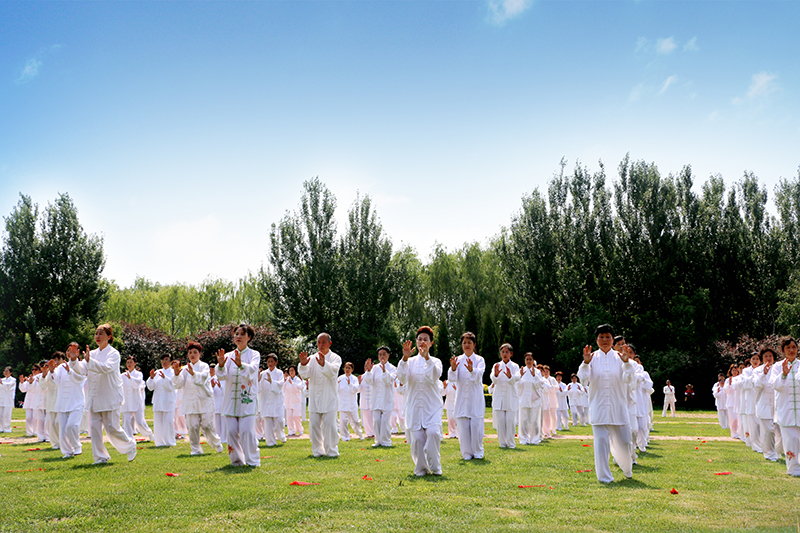
太极拳是一种传统的体育运动,其特点是放松、循环的动作,与呼吸调节和培养正直中立的心态相协调。该元素起源于17世纪中叶中国中部河南省文县,现在全国各地的各个年龄段和不同民族都在使用。太极拳的基本动作以五步和八法为中心,包括一系列套路、练习和推手。
受道家和儒家思想以及中医理论的影响,这种元素已经发展成以家族或大师个人名字命名的几个流派(或风格)。这种元素是通过基于氏族的传承或师徒模式传承下来的。后一种关系是通过传统的白石仪式建立起来的。太极拳也被纳入正规教育体系。这个元素建立在阴阳循环和天人合一的文化理解之上。它通过传说、谚语和仪式等表达方式传播。保护这一元素将提高其知名度,并就不同社区练习太极拳的不同方式进行对话。
2020年列入《人类非物质文化遗产代表作名录》
Taijiquan is a traditional physical practice characterized by relaxed, circular movements that works in concert with breath regulation and the cultivation of a righteous and neutral mind. Originating during the mid-seventeenth century in Wenxian County in the Henan Province of central China, the element is now practised throughout the country by people of all ages and by different ethnic groups. Taijiquan’s basic movements center upon wubu (five steps) and bafa (eight techniques) with a series of routines, exercises and tuishou (hand-pushing skills performed with a counterpart). Influenced by Daoist and Confucian thought and theories of traditional Chinese medicine, the element has developed into several schools (or styles) named after a clan or a master’s personal name. The element is passed down through clan-based transmission or the master-apprentice model. The latter relationship is established through the traditional ceremony of baishi. Taijiquan has also been incorporated into the formal education system. The element builds upon the yin and yang cycle and the cultural understanding of the unity of heaven and humanity. It has been disseminated through legends, proverbs and rituals, among other vehicles of expression. Safeguarding the element would increase its visibility and dialogue about the diverse ways Taijiquan is practised by different communities.
Inscribed in 2020 on the Representative List of the Intangible Cultural Heritage of Humanity